


AI Summarize


Share


Online sales move fast. In a matter of seconds, online shoppers can add items to their cart and check out. While making sales is obviously a good thing, the fast nature of ecommerce can leave businesses wondering about their rights when it comes to accepting or rejecting orders. Can you legally refuse a customer's order after they've clicked "Buy Now"? The short answer is yes, but it depends on the circumstances, the stage of the transaction, and how your online store is set up legally.
This article will look at the intricacies of contract formation when it comes to online sales, explaining when a sale becomes legally binding and what specific language you should include in your Terms and Conditions to avoid unintended obligations.
Whether you're running a small online boutique or a large digital marketplace, understanding these concepts can help protect your business from disputes, chargebacks, and potential lawsuits, while allowing you to legally refuse a customer's order when the need arises.
Our Terms and Conditions Generator makes it easy to create a Terms and Conditions agreement for your business. Just follow these steps:
-
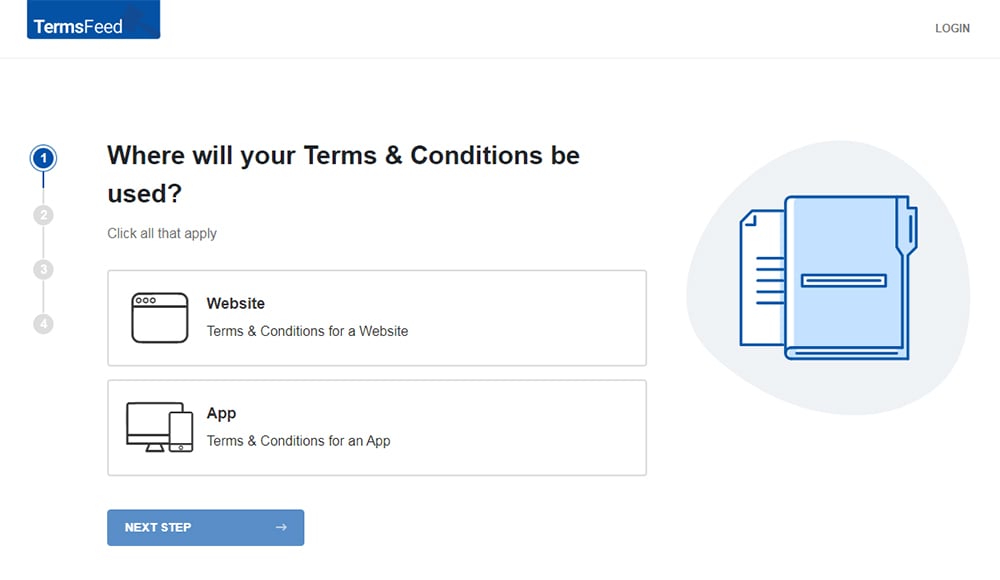
At Step 1, select the Website option or the App option or both.
-
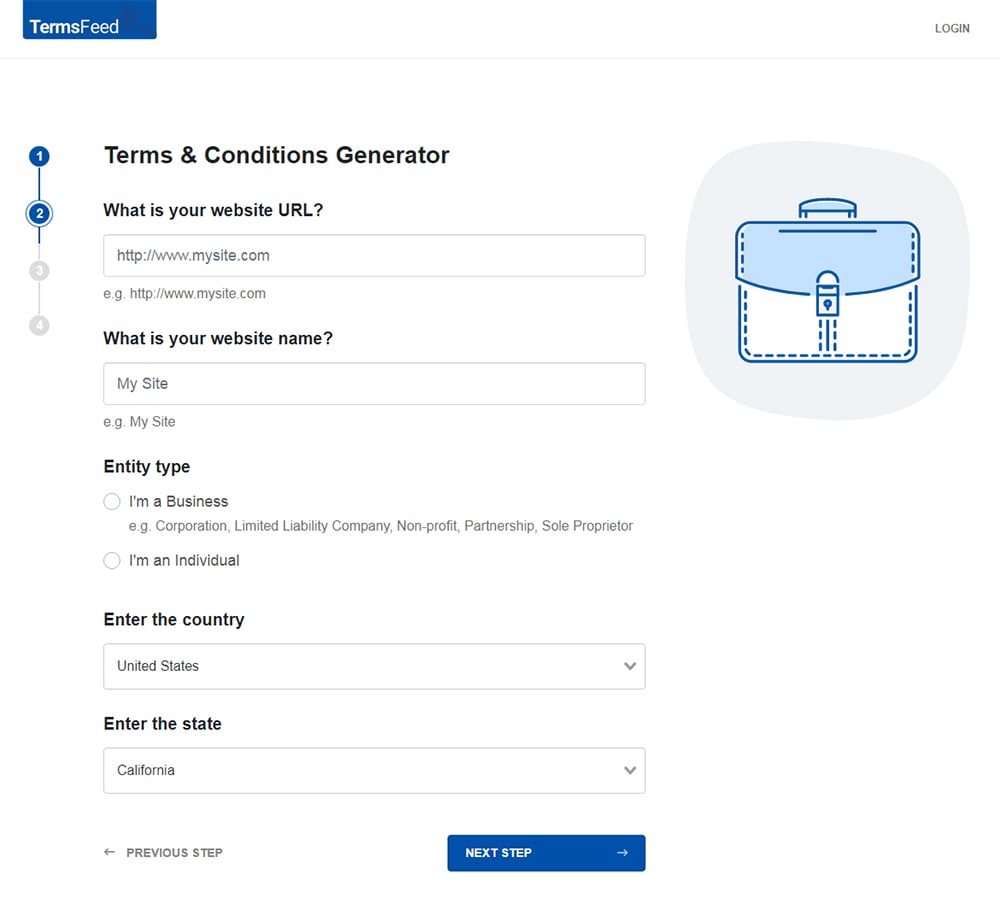
Answer some questions about your website or app.
-
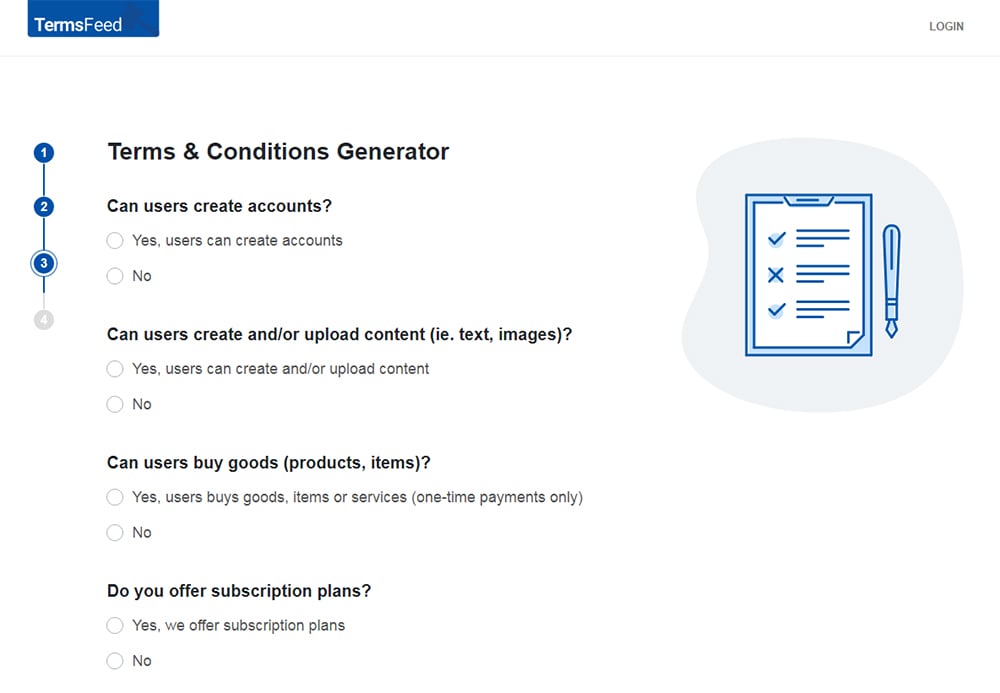
Answer some questions about your business.
-
Enter the email address where you'd like the T&C delivered and click "Generate."
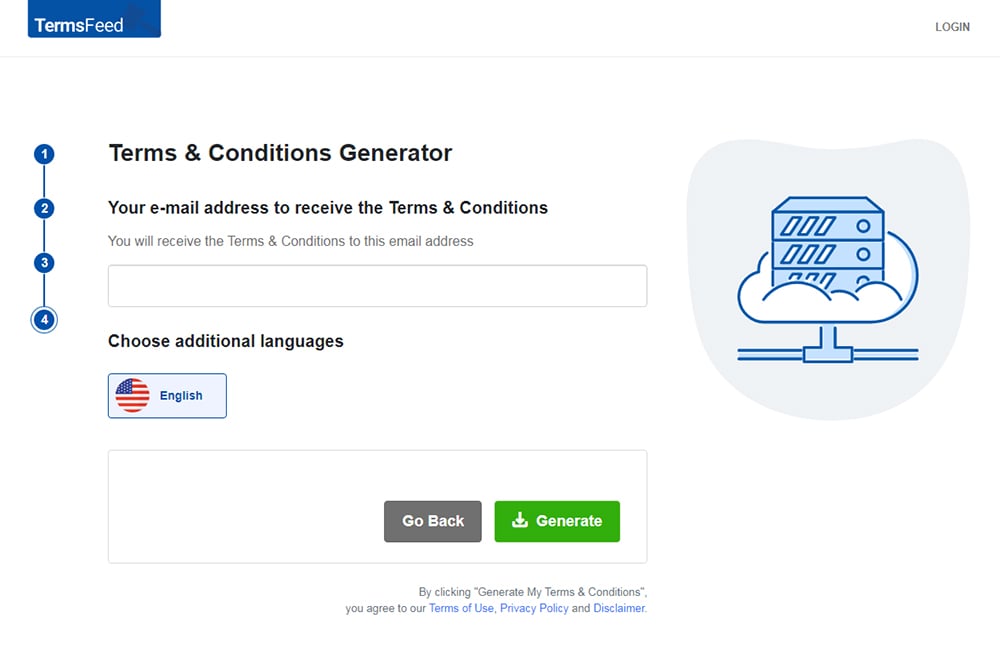
You'll be able to instantly access and download the Terms & Conditions agreement.


- 1. The Basics of Contract Formation in Ecommerce
- 2. What are the Key Challenges in Ecommerce Contract Formation?
- 3. What Legal Frameworks Govern Ecommerce Contracts?
- 4. Offer vs. Invitation to Treat: The Online Distinction
- 5. When Does a Sale Become Legally Binding?
- 6. Are There Any Legal Grounds for Refusing a Customer's Order?
- 7. Are There Any Prohibited Reasons for Refusing Customer Orders?
- 8. What Should You Include in Your Terms and Conditions Agreement to Help You Legally Refuse a Customer's Order?
- 8.1. Order Acceptance
- 8.2. Right to Refuse
- 8.3. Availability Disclaimer
- 8.4. Pricing Errors
- 8.5. Geographic Restrictions
- 8.6. Fraud Prevention
- 8.7. Governing Law
- 9. How Do You Make Your Terms and Conditions Legally Enforceable?
- 9.1. What are Some Court Cases That Demonstrate How T&C Presentation and Agreement Matter?
- 10. What are Some Best Practices for Refusing Customer Orders?
- 11. Summary
The Basics of Contract Formation in Ecommerce
Let's start with some basics. At its core, a contract is a legally enforceable agreement between two or more parties. For a contract to form, there must typically be an offer, acceptance, consideration (something of value exchanged), and an intention to create a legal relationship. In traditional brick-and-mortar stores, this is pretty straightforward: a customer picks up an item, pays for it at the checkout counter, and the sale is complete. But when it comes to online transactions, where automated systems, payment gateways, and asynchronous communications are involved, the process is more nuanced.
Let's break down the key elements of contract formation and how they apply to online sales, along with the specific requirements that must be met.
For a contract to form, whether online or offline, the following elements must be present:
- Offer: One party must make a clear and definite proposal to enter into an agreement. In ecommerce, this can be nuanced, as the offer may come from either the seller or the buyer, depending on how the transaction is structured. For example, a product listing on a website is typically considered an "invitation to treat" (an invitation for customers to make an offer), not a binding offer itself.
- Acceptance: The other party must unequivocally agree to the terms of the offer. In online sales, acceptance often occurs when the seller confirms the order, such as by sending a confirmation email or shipping the goods. For acceptance to be valid, it must mirror the offer's terms exactly. For example, the "mirror image rule" in common law jurisdictions, such as the U.S. and UK, requires that an acceptance of a contract offer must exactly match the terms of the offer for a valid contract to be formed. Any deviation, even a minor one, will legally constitute a counteroffer rather than acceptance. Here's an example: Say Julie offers to sell her car to Steve for $10,000, and Steve responds by agreeing to pay her $8,000. His response is a counteroffer and not an acceptance because he changed the price term. Jane then has the ability to decide whether to accept the counteroffer or reject it.
- Consideration: There must be something of value exchanged between the parties, such as money for goods or services. In ecommerce, this is typically the payment made by the customer for the product or service offered by the seller. Consideration must be sufficient (though not necessarily adequate in monetary terms) to support the contract.
- Intention to Create Legal Relations: Both parties must intend for the agreement to be legally binding. In commercial transactions, this intent is generally presumed unless explicitly stated otherwise. For example, a website might have a disclaimer in its Terms and Conditions that states that orders are not binding until they're accepted by the seller, which indicates the seller's lack of intent to form a contract immediately.
- Capacity: The parties must have the legal ability to enter into a contract. This means they must be of legal age, sound mind, and not under any legal disability. In ecommerce, verifying capacity can be challenging, especially for age-restricted products, and can require additional checks like age verification systems.
- Legality of Purpose: The contract's purpose must be lawful. For example, selling prohibited items or violating export regulations would make a contract unenforceable.
- Certainty of Terms: The contract's terms must be clear enough for both parties to understand their obligations. In ecommerce, this includes details like price, product description, delivery terms, and return policies, which should be clearly outlined on the website (usually done through things like a posted Terms agreement, and a Return and Refund Policy), or as part of the checkout process.
What are the Key Challenges in Ecommerce Contract Formation?
The digital nature of ecommerce stores introduces unique challenges when it comes to contract formation, such as automated order systems, potential pricing errors, and the need to verify customer identity or capacity remotely. For instance, ensuring "certainty of terms" requires clear product descriptions and pricing, while verifying "capacity" may involve age checks for restricted goods.
Unlike physical stores, where interactions are immediate and tangible, the nature of ecommerce raises several challenges, like the following.
Determining when acceptance occurs can be ambiguous. For example, does an automated "Order Received" email constitute acceptance, or is it merely an acknowledgment? Additionally, many platforms use automated checkout processes that may inadvertently accept offers before human review, potentially binding the seller to erroneous prices.
Cross-border transactions adds another issue for sellers who operate across multiple jurisdictions.This means navigating different legal standards for contract formation. For instance, India's Consumer Protection Rules 2020 requires sellers to honor prices unless errors are disclosed, affecting the offer and acceptance dynamic. If you have customers in India, this would matter.
Ensuring customers meet age or other legal requirements (for example, for alcohol sales) can be more difficult to do online. It can require robust verification systems to meet the capacity requirement.
To address these, businesses must structure their checkout processes and Terms agreements to align with legal requirements while still maintaining flexibility to refuse orders when necessary.
What Legal Frameworks Govern Ecommerce Contracts?
In ecommerce, contract formation principles are governed by a mix of common law and specific statutes, all aimed at making sure that digital transactions are as enforceable as traditional ones. Key regulations in this space include:
United States:
- Uniform Commercial Code (UCC): The UCC, adopted by most states, governs the sale of goods, including online transactions. It provides rules for offer, acceptance, and remedies for breaches, with flexibility for pricing errors and mistake defenses.
- Electronic Signatures in Global and National Commerce Act (E-Sign Act): This federal law validates electronic signatures and contracts, ensuring that online agreements (like those formed when clicking "I Agree" to terms) are legally binding.
- Uniform Electronic Transactions Act (UETA): Adopted by most states, UETA complements E-Sign by providing a framework for electronic records and signatures, ensuring that digital checkout processes meet contract formation requirements.
United Kingdom:
- Consumer Rights Act (CRA) 2015: This act regulates distance selling, including online transactions, requiring clear information about goods, prices, and consumer rights (such as a 14-day cooling-off period). It ensures transparency in contract terms to meet the certainty requirement.
- Electronic Commerce (EC Directive) Regulations 2002: These regulations mandate that online sellers provide specific information, such as business details and order steps to ensure clarity and enforceability of contracts.
European Union:
- Consumer Rights Directive (2011/83/EU): This directive, updated in 2025 under the EU Omnibus Directive, requires ecommerce businesses to provide pre-contractual information, including total price and delivery details, to meet the "certainty of terms" requirement. It also grants consumers a 14-day withdrawal right after a contract is formed.
- eIDAS Regulation (910/2014): This governs electronic identification and trust services, ensuring that digital signatures and agreements in ecommerce meet legal standards for acceptance and capacity.
Offer vs. Invitation to Treat: The Online Distinction
Websites use automated systems for order placement, but human intervention might be needed for fulfillment. This is where the distinction between an "offer" and an "invitation to treat" becomes crucial.
One common misconception is that displaying a product on your website with a price counts as a legally binding offer. In reality, most online product listings are considered an "invitation to treat," which is essentially an invitation for customers to make an offer to buy. This principle comes from landmark cases like Pharmaceutical Society of Great Britain v Boots Cash Chemists (1953) in the UK, where store displays were ruled as being invitations, not offers.
In ecommerce, this means your website's "Add to Cart" or "Buy Now" button prompts the customer to submit an offer by placing an order. Your business then has the opportunity to accept or reject that offer.
Acceptance typically occurs when you confirm the order, such as by sending an email saying something like "Your order has been confirmed." Until that point, no binding contract exists, which gives you the flexibility to refuse it.
Here's an example of this in action. Say that you have a major pricing error on your website, like you list a $1,000 laptop for $100 due to a glitch. You can refuse the order without breaching a contract, as long as you haven't accepted it. Courts in the U.S. and UK have upheld this in cases where automated systems have led to erroneous offers/prices being displayed on a site.
Note that if your site explicitly states that orders are binding upon submission, this could shift the dynamic, making the customer's action the acceptance of your offer.
When Does a Sale Become Legally Binding?
The moment a sale becomes legally binding varies by jurisdiction and your store's setup, but it generally hinges on the point of acceptance. Here's a step-by-step breakdown:
- A Customer Places an Order (The Offer): When a customer completes a checkout process and pays for the order, they're technically making an offer to purchase. Payment processors like Stripe or PayPal hold the funds, but this doesn't automatically bind you to accepting the offer (completing the sale).
- You Send an Order Acknowledgment (Not Yet Acceptance): Many stores send an automated email saying something simple like "Thank you for your order – we're processing it." This is merely an acknowledgment of the customer's offer and doesn't create a contract.
- You Formally Accept the Offer (Acceptance): The contract officially forms when you accept the offer, such as by shipping the goods, providing digital access, or sending a confirmation of acceptance. In the EU, under the Consumer Rights Directive, acceptance must be clear, and consumers have a 14-day cooling-off period to withdraw.
Note that once you accept the offer, you are bound to it, and you must fulfill the order unless there's a valid reason for cancellation, like force majeure (such as supply chain disruptions). Failure to deliver the order at this point could lead to breach of contract claims by the customer.
Are There Any Legal Grounds for Refusing a Customer's Order?
Yes, you can legally refuse an order, but only for legitimate, non-discriminatory reasons. Here are some of the most common grounds for refusing orders.
Out of Stock or Availability Issues: If inventory runs out after the order but before acceptance, refusal is permissible. The UCC allows this if you notify the customer promptly.
Pricing Errors: Courts often side with sellers in cases of obvious mistakes, like in Specht v. Netscape Communications Corp., where Terms protected the seller against having to honor pricing errors.
Fraud Suspicion: If payment details seem fraudulent, you can refuse to process the order. Tools like fraud detection software help justify this and also prevent fraud.
Customer Behavior: Disruptive or abusive customers can be refused, as long as it's not based on anything discriminatory. For example, banning a repeat return abuser is okay if documented, but not selling to anyone who votes a certain way is not a legitimate reason here.
Geographic or Legal Restrictions: You might refuse orders from regions where shipping is prohibited, for example due to export laws, or where products don't comply with local regulations, like age-restricted items. Consider a company selling CBD products that are legal in some states, but not in others. You will likely see a notice on the site saying that orders are not accepted from people in certain states because of the legal restrictions.
Capacity Limits: During high-demand periods, like Black Friday, you can limit orders per customer, but this must be stated in your Terms, and is usually noted on the product page itself, too. Think "limit X per customer" statements you've likely seen before.
Are There Any Prohibited Reasons for Refusing Customer Orders?
While you do have some leeway when it comes to refusing customer orders, as covered in earlier sections, federal and state laws do prohibit refusal based on discrimination.
In the U.S., the Civil Rights Act of 1964 bans discrimination on race, color, religion, sex, or national origin in public accommodations, which includes online stores. The Americans with Disabilities Act (ADA) extends this to disabilities, meaning you can't refuse based on accessibility needs. In the UK, the Equality Act 2010 similarly protects against discrimination. And in the EU, laws under the Geo-Blocking Regulation (2018/302) prevent unjustified geographic discrimination.
Refusing for arbitrary reasons, like "we don't like the customer," could invite lawsuits if it appears biased. Always document your reasons for refusing a customer order in case you ever need to to defend against claims.
What Should You Include in Your Terms and Conditions Agreement to Help You Legally Refuse a Customer's Order?
Your Terms and Conditions agreement (T&C) offers legal protection to you, and clarity to your customers. It's where you can set out how you will accept orders, retain your right to refuse orders, and limit your liability. When your users agree to its terms, they'll legally be bound to them. A later section in this article shows you the easiest and most legally compliant way to get agreement.
Here are some of the key clauses and information to include in your T&C to help you legally refuse a customer's order without facing any unexpected liability or legal backlash from doing so.
Order Acceptance
Clearly defining your order acceptance process is important for establishing that not every customer submission automatically results in a binding contract. Including this clause ensures customers understand the transactional process upfront, reducing the likelihood of legal claims if an order isn't processed as a shopper expects.
By stating something like, "Your order constitutes an offer to purchase, which we may accept or reject at our discretion. A contract is formed only upon our sending a confirmation email or shipping the goods," you emphasize that product listings on your website or platform are merely invitations to treat, not firm offers.
This language protects your business by allowing you to review and potentially decline orders before any legal obligations arise. It will help prevent disputes over unfulfilled shopper expectations and give you the flexibility to manage your inventory, compliance, or other operational issues without liability. It's a standard practice seen in many ecommerce store Terms agreements.
Here's an example of such a clause from ASOS. It makes it clear that when a shopper places an order, the order isn't accepted until "payment has been approved" and the company has "debited the payment card." It even notes that "then the contract is made based on these terms."

Right to Refuse
Including a general "Right to Refuse" clause in your T&C provides you with broad discretion and ability to refuse orders for really any reason you want (unless it obviously violates a law or can be proven to, such as being discriminatory).
You can include language such as, "We reserve the right to refuse any order for any reason, including but not limited to availability, pricing errors, or suspected fraud. In such cases, we will notify you and refund any payment." This not only covers common scenarios like stock shortages or technical glitches but also lets you reject orders that might pose risks, such as those from high-risk payment methods or shoppers with unusual and suspicious purchasing patterns.
Here's how Purity Coffee does this in a very straightforward and simple way. It starts with a blanket statement about reserving the right to refuse any order, then goes into more specifics, noting it may limit quantities, or limit based on a certain card or account. It lets shoppers know that they will be notified if this happens:

Availability Disclaimer
Adding a short availability disclaimer to your T&C is key for handling situations where products might not be in stock, preventing automatic assumptions of guaranteed fulfillment without fail. It's very common in ecommerce Terms agreements, as it manages customer expectations right from the start and avoids potential lawsuits over undelivered goods.
A typical availability disclaimer could say, "All orders are subject to product availability. If an item is unavailable, we may cancel the order and issue a full refund." This language acknowledges the realities of supply chain fluctuations, manufacturing delays, or high demand, allowing you to cancel orders without breaching contract terms.
Here's how ASOS does this, with a short and simple disclaimer:

Pricing Errors
It's almost inevitable that at one point or another, your ecommerce store will have human or system errors in pricing, whether it's a glitch, a typo, or just an oversight. To prepare for this, your T&C should include a clause mentioning pricing errors, retaining your right to correct them without having to honor any inaccurate prices listed. Otherwise, simple oversights could lead to unsustainable losses if every erroneous order had to be fulfilled.
Your clause might say, "We strive for accuracy, but errors may occur. We reserve the right to correct pricing mistakes and refuse orders based on incorrect prices."
Here's how ASOS does this, noting that orders are subject to confirmation of the order price:

Geographic Restrictions
Including geographic restrictions in your T&C is important when it comes to complying with laws and market-specific regulations, and dealing with shipping logistics. It lets you refuse to fulfill orders from unsupported areas without facing legal repercussions.
You might phrase this clause as, "We may refuse orders from certain locations due to shipping or legal restrictions." This simple phrasing covers challenges like export controls, varying tax requirements, or carrier limitations that make delivery to some regions impractical or prohibited.
Here's how Purity Coffee notes that it reserves the right to limit sales based on geographic region or jurisdiction:

Fraud Prevention
Including a fraud prevention clause in your T&C allows your business to scrutinize and decline suspicious transactions, which is increasingly important in the digital age where fraudulent activities and scammers are rampant.
Your clause could say something like, "We may verify orders for fraud and refuse those that appear suspicious." This simple statement helps retain your right to do checks on payment details, IP addresses, or order histories without obligating you to accept every order you receive.
By clearly communicating your commitment to fraud detection, you not only safeguard your revenue but also build some extra credibility, as it shows you take a proactive stance on security and take steps to maintain a trustworthy online environment for your legit shoppers.
Here's how ASOS does this, noting that it may refuse or even cancel an order if something suspicious is noticed:

Governing Law
A governing law clause in your T&C sets out the legal framework that any disputes will be resolved under. This clause can be very simple, stating something like, "These terms are governed by the laws of [your state/country]."
This clause helps you ensure that any legal proceedings that may arise will occur in a familiar jurisdiction. This can potentially reduce costs and complexities for your business while deterring frivolous claims made by people in distant locations.
Here's how Purity Coffee does this:

While many of these clauses seem to overlap, they all work in a slightly different way to help you retain your right to cancel orders for a variety of reasons.
How Do You Make Your Terms and Conditions Legally Enforceable?
You can write all the clauses you want in your T&C, but if your users/shoppers don't accept your terms, none of it will matter. To make your T&C legally enforceable and give your clauses binding weight, you'll need to make sure that:
- People can easily find and access your T&C at any time, and
- People take an overt, clear action to show their intent to agree to the terms, such as clicking an "I Agree" checkbox
If you fail to do either of these things, say by burying your T&C link somewhere no user would think to look on your site, or solely relying on the outdated, legally-risky browsewrap method to try to prove user agreement, your T&C will probably not hold up in court under legal scrutiny.
Thankfully, it's quite easy to meet these two requirements. First, add a link to your T&C in your website's main footer. This means it will be visible on every page of your ecommerce store, regardless of what specific item a shopper is looking at. Users know to look in a site's footer for important links, so this is an intuitive placement that a court won't consider as being a "buried link."
Here's an example of this, from Wellnesse's site footer. It's added under a "Support" category, which makes it even more clear that customers with questions or who need help should look there for answers and information:

Here's another example of a more minimal display that's still legally effective, from Purity Coffee:

Next comes getting actual agreement to your terms. To do this, have users actively click a checkbox or button that clearly and undoubtedly shows that doing so means they are agreeing. For example, have users check a box next to a statement that says, "By checking this box, I am agreeing to these Terms," or label the button itself as "I Agree."
This agreement should be obtained at the time a shopper is placing an order, usually as a final or towards-the-end step in the checkout process.
Here's an example of how you can use a checkbox to get agreement. Note how this interface goes above and beyond by including a clickable button that lets the user view the Terms agreement at that time, as well. This isn't necessary, but it is a nice touch that will definitely help prove that the user had access to your Terms:

If you want to make it even more clear that a user accepted your terms, you can use what's known as "granular consent," or using multiple checkboxes to allow users to customize their acceptance at checkout. Here's an example of this, where a user has different options, each clearly labeled, and with a checkbox for each:

What are Some Court Cases That Demonstrate How T&C Presentation and Agreement Matter?
There are several court cases that show why how a T&C is presented, and how consent/agreement is obtained, matters when it comes to whether the T&C is legally enforceable.
In Feldman v. Google (2006), an advertiser challenged Google AdWords' arbitration clause after a click fraud dispute. He claimed he hadn't read the terms, but the court upheld the clause because Google had used a clickwrap agreement, which was enough to prove he did in fact have notice of the terms, and that he actively consented to them.
In contrast, Specht v. Netscape (2002) demonstrates the risks you'll face if you don't present your T&C prominently enough. Netscape didn't use clickwrap. Instead, it just placed a link to its Terms in a way that users could easily overlook and never even know about. The court held that this wasn't sufficient notice enough to bind the users to the terms.
While these are U.S. cases, similar principles work in the UK and elsewhere. For example, in the UK case of Office of Fair Trading v. Abbey National plc (2009), the OFT claimed that several banks' overdraft fee clauses weren't communicated well enough to customers. Although the court did hold that the fees were exempt from fairness assessments, it did emphasize that without presenting terms in a clear and transparent way so that customers understand them, terms could be unenforceable. This ruling has influenced ecommerce by pushing sellers to make sure they display terms in an accessible way, with clear hyperlinks and clickwrap consent, in order to be legally binding.
What are Some Best Practices for Refusing Customer Orders?
If there's ever a time when you need or want to refuse an order for any of the legitimate reasons noted above, here are some ways to go about it to minimize legal risks while keeping your shoppers as happy as possible:
- Act Quickly: Notify customers immediately via email, explaining the reason for the cancellation ("The item you selected is out of stock") and issue refunds promptly to both comply with FTC rules and not annoy the shopper.
- Be Transparent: Use clear communication to avoid misleading consumers, as per the FTC's guidelines on deceptive practices.
- Document Everything: Keep records of refusal reasons and communications for potential disputes or regulatory inquiries.
- Train Staff: Ensure your team knows legal boundaries to avoid accidental violations. For example, make sure everyone knows that if they cancel an order, they must communicate it with the shopper and issue a refund right away.
- Use Automation Wisely: If you implement automated systems that flag suspicious orders, make sure to have a human review them and make the final call on order refusals.
Summary
As an ecommerce store owner, there will likely be times you either need or want to refuse or cancel a customer's order. This can be because of a pricing error that makes you lose profits if the order is completed, an item being out of stock, suspicious activity, or other legitimate reasons. Doing this is legal and fine in most cases, as long as you take precautionary steps.
The key thing you need to do to be able to refuse or cancel an order is to have a clear Terms and Conditions agreement that lets shoppers know about your right to do this. Include clauses that address your right to refuse an order, and what circumstances will warrant this. In addition, present your site as an invitation to treat, with sales being binding only after you explicitly accept them. These steps can avoid unintended obligations while still complying with laws and keeping customers informed.

The first step to compliance: A Privacy Policy.
Stay compliant with our agreements, policies, and consent banners — everything you need, all in one place.


