


AI Summarize


Share


In the vast and competitive world of ecommerce, prices can fluctuate rapidly and automated systems handle thousands of transactions a day. Because of this, it's inevitable that a pricing error may end up on your website at some point. Imagine listing a high-end electronic device for $99 instead of $2999 due to a simple typo or a glitch in your discount algorithm. Customers will catch this, tell their friends, and flock to your site to place an order at this amazing deal. And then you realize the error. Can you legally cancel those orders without facing lawsuits? What about the backlash you'll get from furious customers on social media or review sites?
This article takes a look at the legal and reputational considerations surrounding pricing typos, automated discount errors, whether you can cancel orders placed with a pricing mistake, and how having a Terms and Conditions agreement (T&Cs) can help protect your business from financial loss in these circumstances.
Our Terms and Conditions Generator makes it easy to create a Terms and Conditions agreement for your business. Just follow these steps:
-
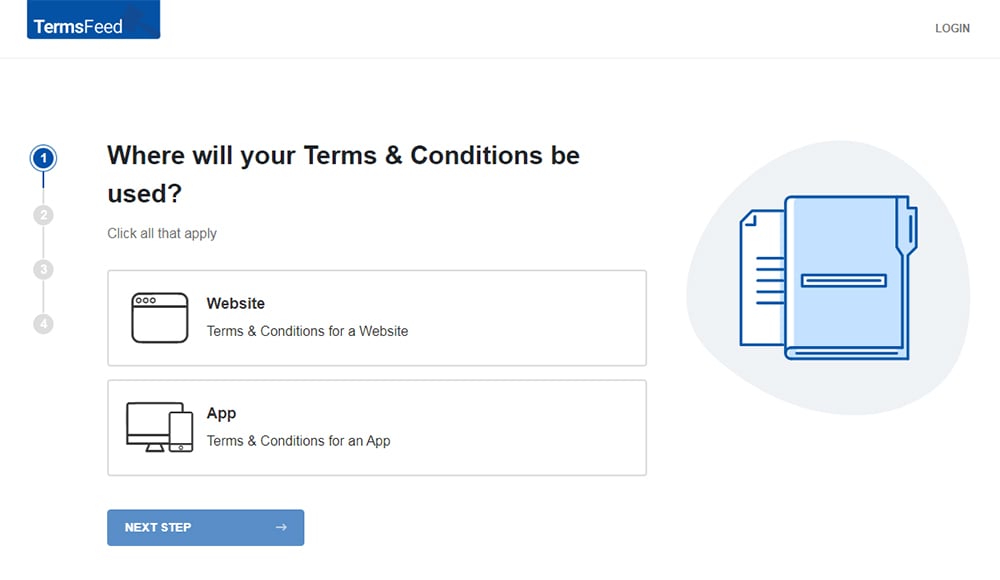
At Step 1, select the Website option or the App option or both.
-
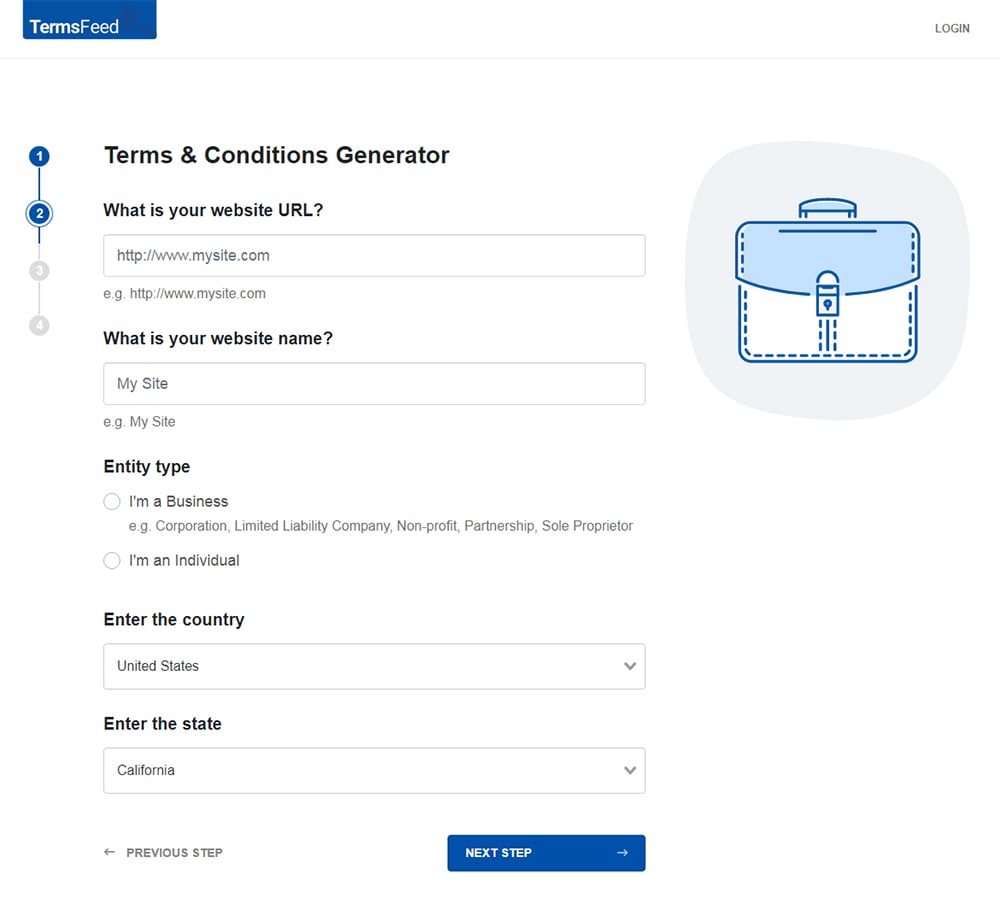
Answer some questions about your website or app.
-
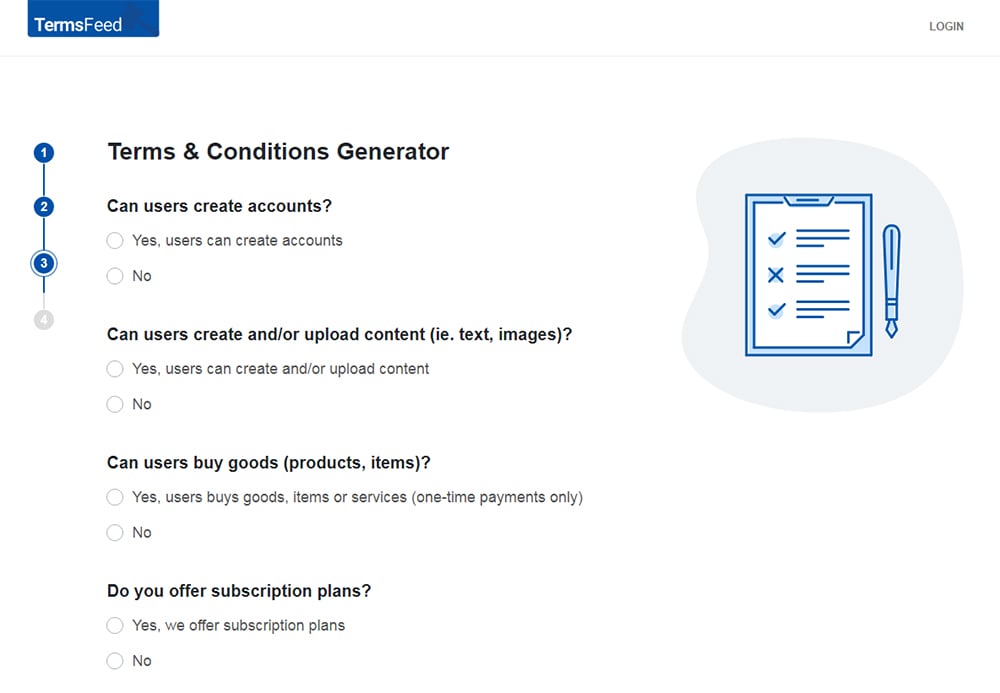
Answer some questions about your business.
-
Enter the email address where you'd like the T&C delivered and click "Generate."
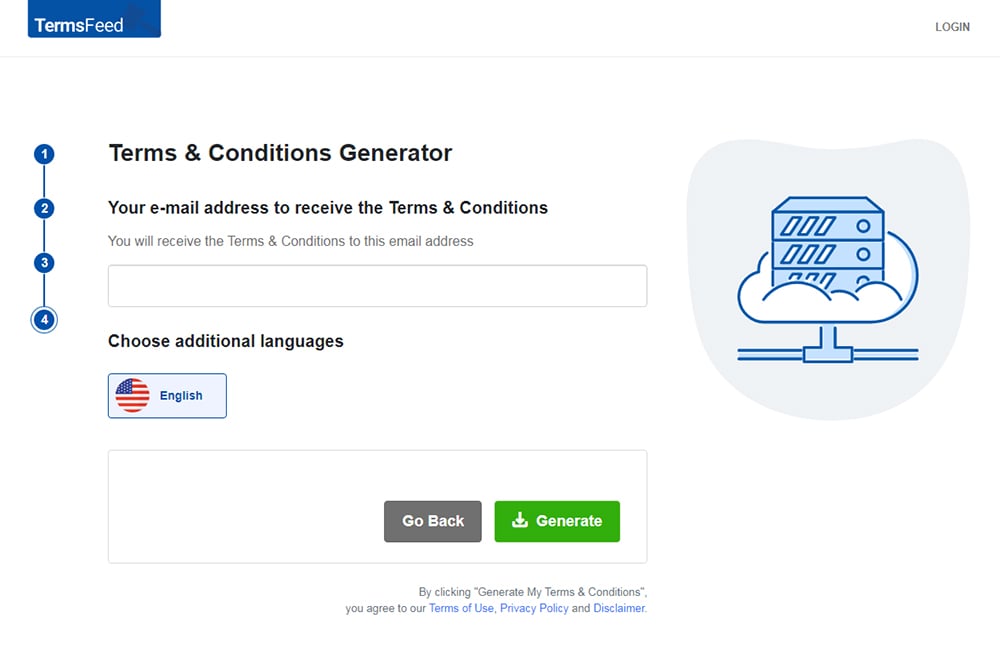
You'll be able to instantly access and download the Terms & Conditions agreement.


- 1. How Do Pricing Mistakes Usually Happen in Ecommerce?
- 2. Why are Pricing Errors a Matter of Law?
- 3. Can You Legally Cancel an Order Due to a Pricing Mistake?
- 4. When Does a Contract Actually Form Between Shoppers and the Ecommerce Platform?
- 5. What Should Your Terms and Conditions Include to Help Protect Your Business From Pricing Error Losses?
- 5.1. Right to Cancel Orders
- 5.2. Invitation to Treat Disclaimer
- 5.3. Error Correction Policy
- 6. Case Studies and Reputational Considerations For Pricing Errors and Order Cancellations
- 7. Best Practices for Preventing and Handling Pricing Errors
- 8. Summary
How Do Pricing Mistakes Usually Happen in Ecommerce?
Pricing errors can happen as the result of a variety of things, from human error to system glitch. The most common types include human typos. Everyone makes a simple keystroke error once in a while, especially if you're a busy entrepreneur juggling many projects. But if this error means you enter a price as $10 instead of $100, this simple error can lead to massive underpricing and not only lost profits, but extra expenses.
Another common cause of pricing mistakes is automated discount glitches. Modern ecommerce platforms use algorithms for dynamic pricing, flash sales, or personalized discounts. A bug in the code might lead to the application of an extra discount layer, turning a 20% off promotion into 80% off. While this is less common, since these algorithms are pretty sound and the platforms are monitored for bugs, it still happens.
System or integration issues can also cause pricing discrepancies. For example, it's possible to have integration failures between inventory management systems, pricing tools, and your website, especially if you're just setting up shop, switching to a different platform for one aspect of your business, or updating one system but not another.
Why are Pricing Errors a Matter of Law?
You might be thinking that a typo or glitch is a simple matter that you can just correct, tell your customers you're sorry, and carry on as usual. But there's a bit more to it than that when it comes to the law. These pricing mistakes aren't just operational headaches. They can carry legal weight, and may be handled differently based on jurisdiction.
For example, under the Uniform Commercial Code (UCC) in the U.S., which governs sales of goods, a party can correct an error or withdraw an offer if no binding contract has been formed yet. This gives some flexibility if a pricing error or simple mistake does occur. In contrast, traditional common law contract doctrine has rules around mistakes that are a bit more rigid. However, it does provide certain protections if there's a unilateral error. Specifically, if one party makes a clear and obvious mistake in a contract, such as mispricing an item in a way that would be obvious and reasonable to recognize as a mistake. In this case, the contract may be voidable in order to prevent unfair enforcement against the seller.
In the EU, the Omnibus Directive requires transparent pricing practices to protect consumers from any deceptive business practices. It requires that businesses clearly display prices, including using strikethrough reference prices to accurately reflect any discounts and prevent misleading claims about savings. For example, say a retailer lists a product as on sale for "€50, marked down from €80," the strikethrough price (here, €80) must represent the actual, verifiable price the item was offered at before the discount. It can't be an inflated figure to make the discount look bigger. It also requires that any Terms and Conditions related to pricing must be clearly presented, and written in clear language.
Reinforcing this framework, the European Court of Justice (ECJ) ruled on September 26, 2024, that any price-reduction announcement must be based on the "prior price," which it defined as the lowest price the retailer had the item priced at in the 30 days prior to the reduction. This ruling came after a German lawsuit against Aldi Süd, where the retailer was accused of using prices that were higher than actual prices in its advertising.
Another example of an EU court case that reflects this directive and framework can be seen in Poland. The 2024 case of Sąd Rejonowy w Warszawie saw the Warsaw District Court penalize an ecommerce platform for having unclear pricing terms that hid additional fees on purchases. In this case, the court held that having hidden charges or vague pricing terms is deceptive to consumers and violates the directive.
The UK's Consumer Rights Act 2015 similarly requires fair practices, with the Competition and Markets Authority (CMA) enforcing against deceptive pricing.
The scale of the pricing error problem is actually pretty significant. A 2023 Canadian study found that 24% of 1,000 respondents had encountered online pricing errors, highlighting how common these issues are. With ecommerce projected to exceed $8 trillion globally by 2027, even minor errors can lead to substantial losses if not handled correctly.
Can You Legally Cancel an Order Due to a Pricing Mistake?
The answer is yes, in many cases. But it depends on timing, jurisdiction, and the specific content of your T&Cs. If you catch the pricing error before acceptance, cancellation is pretty straightforward. It's fine to cancel the order because no contract has been formed yet. For example, if an order is pending review and you notice the pricing error, you can simply refund and notify customers promptly.
But after an order has been accepted, things get trickier. Courts often allow rescission of a contract for unilateral mistakes if the error is palpable (obviously wrong) and the customer isn't disadvantaged. Having a Terms agreement that states a seller maintains the right to cancel orders for pricing errors can protect sellers. However, different jurisdictions handle this slightly differently.
For example, in California, if the mistake isn't "obvious" (if it's a 10% underprice vs a 90%, more obvious one), it may be harder to legally cancel the order after acceptance. But what's an "obvious price mistake"? Let's look at the case of Hartog v Colin & Shields. It's a classic English contract law case that perfectly illustrates an "obvious price mistake." The defendants, London hide merchants, mistakenly wrote a written offer to sell hare skins by the pound rather than by the piece. This ended up drastically underpricing the skins compared to their agreed-upon oral price. The buyer tried to enforce the written offer, but the court here held that he must have realized there was an error and was attempting to grab up a deal he knew the sellers never intended.
The ruling in this case helped establish that a contract can be voided when one party makes an obvious mistake in its terms, particularly regarding price, and the other party knowingly seeks to take advantage of this mistake.
Canceling an order over a pricing mistake after the order has been accepted can come with some legal risks, including breach of contract claims or consumer protection violations. For automated discounts, if a glitch causes widespread errors, class actions could arise. Unfortunately, online merchants must sometimes choose between taking a big financial loss or suffering extensive reputational damage when a pricing error means a lot of contracts form with the erroneous prices.
Since much of this depends on the timing of whether a contract is actually formed or not, let's look next at what constitutes a contract between shoppers and the ecommerce platform.
When Does a Contract Actually Form Between Shoppers and the Ecommerce Platform?
To determine if you can cancel an order, it's essential to understand contract formation in online sales. In most jurisdictions, displaying a product with a price on your website is not a binding "offer" but rather an "invitation to treat." This is an invitation for customers to make an offer by placing an order.
Think of it like this: when a customer adds items to their cart and checks out, they're making the offer. Your business then accepts it by confirming the order, typically via a shipment notification or explicit acceptance email. Until acceptance, no contract exists yet. This is key, because this is the time where you are legally allowed to reject or cancel orders for errors.
However, if your site uses automated systems that immediately confirm orders, this could constitute acceptance, binding you to the price listed at that time. An example of this would be an automated page that pops up after the customer enters payment information that says something like "Your order has been confirmed." But still, there are ways to use your Terms agreement to mitigate this. Let's look at that next.
What Should Your Terms and Conditions Include to Help Protect Your Business From Pricing Error Losses?
Your T&Cs are a powerful shield against pricing error losses. By explicitly reserving your rights, you can limit liability here. Here are the key clauses to include in your T&C to help shield you from pricing error losses:
Right to Cancel Orders
This clause allows businesses to void orders that have pricing mistakes. It should explicitly state that orders can be canceled for errors like typos or system glitches, even after payment, with refunds issued. This helps ensure flexibility for the business while still maintaining customer trust through clear communication. For example, Amazon's Pricing clause notes that some items may have pricing errors, and in that case, the order may be cancelled:

Catch the nuance here in the last section, where Amazon notes that it doesn't charge the credit card until after the order is shipped. In effect, this means an order isn't technically accepted until it's shipped and money is taken for it. So, before this time, Amazon isn't technically in a contract with the shopper yet. This approach may not be feasible for all businesses, but to not deduct payment until actually shipping the item is a way to make sure you can cancel an order before shipping, since again the contract isn't fully formed at that point.
Here's another example of a very broad "right to cancel" clause, from Best Buy. It explicitly states that even the order confirmation doesn't signify acceptance of the order, and that an order can be declined for any reason:

Walmart has a very similar clause:

If you use an automated system that sends an immediate "order confirmed" notice as soon as a shopper submits payment, a clause like this can help give you some room to still cancel an order even after the confirmation notice.
Invitation to Treat Disclaimer
Clarifying that product listings and prices are invitations to treat, not binding offers, prevents unintended contract formation. A clause that expresses this helps keep control of actual contract formation in the hands of the business since orders are subject to the business's acceptance.
Here's how Best Buy does this, but noting that prices are subject to change, and that the price of a product can't be confirmed until an order is placed. If a product is mispriced, Best Buy retains the right to cancel the order. This has the effect of making the customer's order be an invitation to treat, that the business then can accept or cancel:

You can also say something as simple as: "Product listings and prices are invitations to treat and not binding offers. Orders are subject to our acceptance."
Error Correction Policy
This clause will allow you more room to correct or cancel orders that have pricing discrepancies. It should state that your business is not obligated to honor erroneous prices in the event they arise.
Here's how Walmart notes that pricing information generated by AI features may not be accurate, and because of that, Walmart isn't obligated to honor the prices:

You can also say something as simple as: "In case of discrepancies, we may correct or cancel the order. We are not obligated to honor erroneous prices."
Case Studies and Reputational Considerations For Pricing Errors and Order Cancellations
Historical cases highlight the delicate balance between legal protection and customer relations. Here are a few of them.
In 2013, Walmart experienced a major pricing glitch when its website listed high-value items like projectors and treadmills at $8.99 instead of hundreds of dollars. Walmart relied on its T&Cs that reserved the right to cancel orders due to errors, and voided the transactions, avoiding substantial losses. However, the decision sparked customer complaints, underscoring the reputational risks that can happen, even when you're legally protected.
In 2021, Amazon encountered a similar issue when an air fryer was mistakenly priced at £3.99 instead of £48. Amazon swiftly canceled the orders, using its T&Cs that allowed cancellations for pricing errors. While legally sound, the move triggered social media backlash.
Even if legally allowed, canceling orders over pricing errors can erode consumer trust and make people downright furious. Customers may feel cheated, leading to negative reviews, social media storms, and lost future business.
Risks to your business's reputation include:
- Social Media Backlash: Viral posts about "bait-and-switch" tactics can harm SEO and sales.
- Review Site Damage: Low ratings on sites like Trustpilot or Google can deter new customers. This is especially damaging for smaller or newer businesses. Outrage at Amazon over one pricing error may not affect the company much, but a small business may really feel the heat.
- Loss of Customers: Repeat buyers may switch to competitors.
- Regulatory Scrutiny: Frequent pricing errors could invite investigations for deceptive practices.
Best Practices for Preventing and Handling Pricing Errors
When it comes to pricing errors, prevention is key. It's better to not have them happen at all.
To help prevent them in the first place, use automated systems, but with manual checks. Use pricing tools like Sniffie to avoid pitfalls. But also double-check all data sources and test updates regularly. Don't solely rely on automation, as one glitch can cause a major issue. Do manual reviews of prices, especially for high-value items.
If a pricing error does occur, act fast to cancel any order pre-acceptances and refund any payments immediately. Be incredibly transparent, quickly sending out email explanations and apologies. Provide a link to your T&Cs which includes clauses like the ones outlined earlier, maintaining your right to cancel the order. Consider including a goodwill gesture in the email, like a discount on the shopper's next order.
Any time you have a pricing error and have to cancel orders over it, document it all. Keep records for legal defense, in case any disgruntled shoppers sue you over it and claim you were being deceptive or discriminatory.
Summary
Pricing mistakes on your website, whether typos or automated discount errors, can pose significant legal and reputational risks. But if you take some proactive measures, you can minimize them. Legally, you can often cancel orders if no contract has been formed and your T&Cs provide protection for this. Make sure to include clauses in your T&Cs that address how pricing errors may happen, how you retain the right to cancel orders in such cases, and that you will communicate cancellations and issue refunds in the event that this happens.
To counter any backlash from upset customers, consider honoring the pricing error if it's only a small one. Or, offer some small token of goodwill, like a coupon code, along with the email notice that you are canceling their order.

The first step to compliance: A Privacy Policy.
Stay compliant with our agreements, policies, and consent banners — everything you need, all in one place.


